
Seeking the right window tint for your vehicle can be a game-changer for everything from privacy to protection. How do you choose the best tint to keep your car cool and secure? Our essential guide takes you through the top benefits, expert installation techniques, and crucial selection tips for the perfect blend of function and style. Dive into the nuances of window tint and how to make a savvy choice that aligns with your needs and local laws.
Key Takeaways
Window tinting provides benefits beyond aesthetics, such as reduced heat and glare, enhanced security with increased privacy, and protection against UV rays with films blocking up to 99% of them.
Precise installation by professionals is critical for a seamless window film application, with custom options available and advances in technology enabling fast and efficient install processes, making it an accessible upgrade for vehicle owners.
Selecting the right window tint involves understanding Visible Light Transmission (VLT), balancing aesthetics with functionality, and ensuring compliance with state regulations, while top-tier tints offer features like UV protection, heat rejection, and compatibility with vehicle technology and safety systems.
Understanding Window Tint and Its Benefits

Window tint is more than just a cosmetic upgrade. It brings a whole suite of benefits that enhance the comfort, safety, and appearance of your vehicle. Window film blocks heat, reduces glare, and safeguards passengers from harmful UV rays.
But the benefits don’t stop there. Let’s dive deeper into the world of window tinting and its advantages.
The Science Behind Tint: Blocking Heat and Glare
Have you ever wondered how window tint keeps your car cool and reduces glare? The secret lies in Solar Heat Gain Coefficient (SHGC) and Visible Light Transmission (VLT) levels. Window tints:
Lower the SHGC, meaning less solar radiation passes through the glass
Reflective coatings in tints further reduce heat by reflecting sun rays
Nanoparticles absorb sunlight and convert it to heat, preventing it from entering the vehicle
These features work together to keep your car cool and comfortable while reducing glare.
On the other hand, VLT levels control the amount of natural light entering the vehicle, reducing glare and aiding visibility.
Enhancing Security with Tinted Windows
Aside from keeping your car cool and reducing glare, window tinting also enhances security. How so? Tinted windows make it more challenging for outsiders to view the inside of your vehicle. This increased privacy can deter potential thieves and safeguard your valuables, providing a higher level of security and peace of mind.
Protecting Passengers from UV Rays
UV protection is another crucial benefit of window tinting. Did you know that window tinting can block up to 99% of harmful UV rays? This UV shield protects not only the vehicle’s interior but also the skin health of passengers. Prolonged exposure to UV rays can lead to skin and eye damage.
Window tinting films embedded with ceramic particles offer superior protection against UV exposure, contributing to passenger health and comfort, while also reducing carbon footprint.
Precision Installation: Ensuring a Perfect Fit
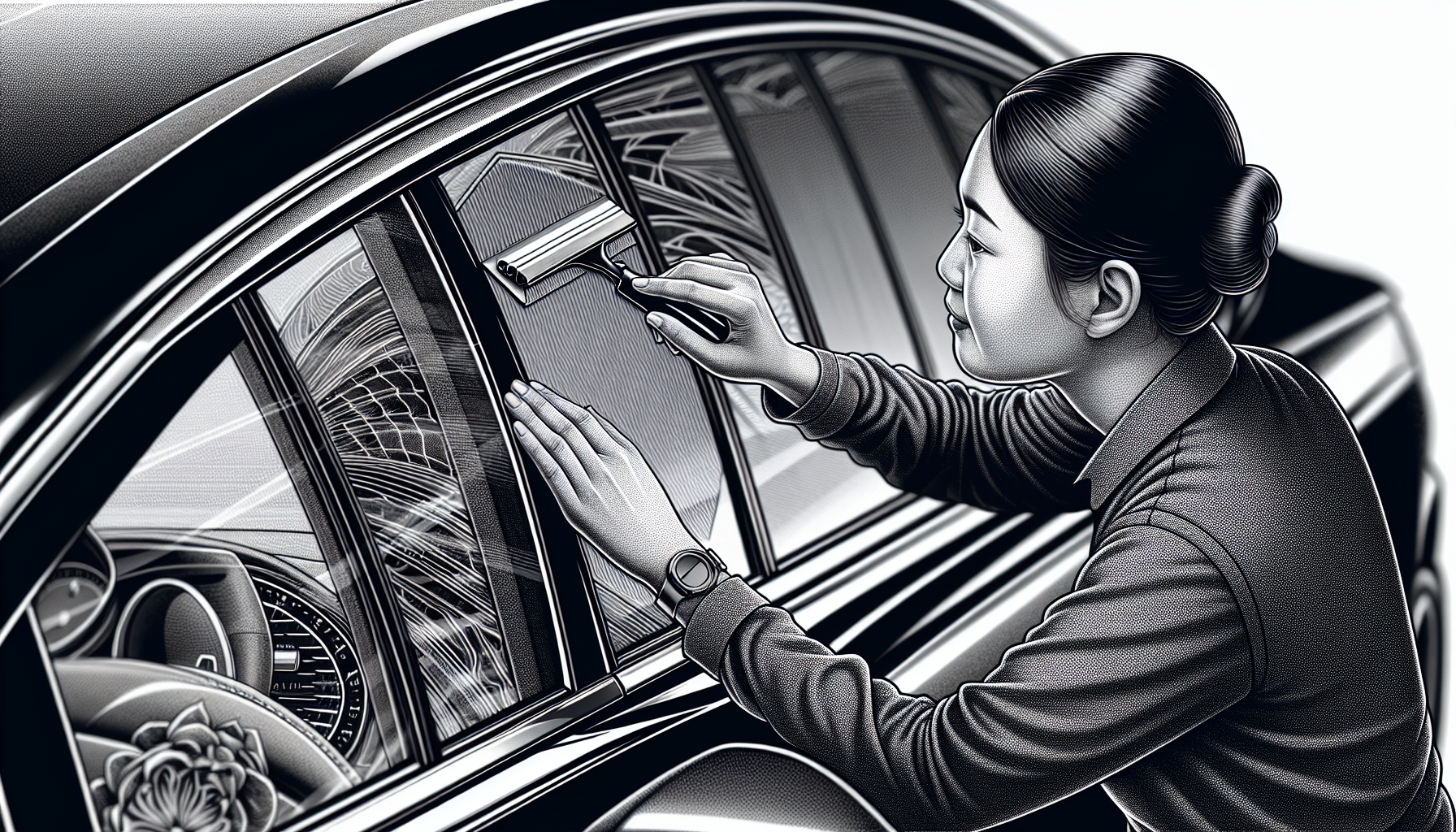
Now that we’ve covered the benefits of window tinting, let’s talk about the installation process. The installation of window film needs to be precise to maximize durability, aesthetics, privacy, and functionality. Expert installers use specialized tools and techniques to apply the film without leaving imperfections, ensuring a perfect fit for your vehicle.
The Importance of Professional Measurement
Accurate window measurements are pivotal for a seamless window film installation. A professional measurement ensures an exact fit, eliminating gaps or misalignments that could compromise the aesthetics and functionality of your tint. So, it’s always best to leave the measurements to the professionals for a flawless installation.
Customization Options for Your Car’s Tint
Personalization is a key aspect of window tinting. You can customize your car’s tint with a variety of options tailored to your style preferences. From a selection of graphics, colors, and styles to more intricate designs like flames and logos, the customization possibilities are endless when you decide to purchase a window tint.
Our advanced computer film cut technology allows for the creation of highly detailed and personalized tint designs, adding an extra level of custom aesthetics to your vehicle, making our company stand out in the industry.
Fast and Efficient Install Process
The installation process of window tinting has been revolutionized with modern techniques. These include computer film cutting, which allows for a rapid and precise application process. Advanced software systems facilitate the window film cutting process, allowing technicians to select the vehicle model and generate exact measurements easily.
These modern techniques ensure a quick and hassle-free installation, minimizing the time your vehicle is unavailable for use.
Selecting the Right Tint Shade for Your Lifestyle

Choosing the right tint shade for your vehicle is not just about aesthetics. It’s also about aligning with your lifestyle needs and ensuring compliance with state regulations. The Visible Light Transmission (VLT) percentage measures the amount of light that passes through your vehicle’s windows. Higher percentages mean lighter tints.
Let’s delve into the details of VLT and other factors that influence the selection of the right tint shade.
Understanding Visible Light Transmission (VLT)
Visible Light Transmission (VLT) is a key factor in window tinting. It measures how much visible light passes through the window tint. Lower percentages indicate darker tints and less light penetration. For example, 50% VLT allows half the visible light through, while 20% and 5% VLTs offer higher privacy, typically used in limousines.
Modern vehicles come with factory tint typically within the 75-85% VLT range, providing minimal shading but complying with most regulations. Professional installers use window tint meters to display VLT percentages accurately and instantly during the installation process.
Balancing Aesthetics and Functionality
When choosing a window tint, it’s important to balance aesthetics and functionality. Professional measurement ensures selective opacity and privacy levels are achieved according to your preferences. Whether you prefer a darker tint for added privacy or a lighter tint for visibility, achieving the right balance will result in a window tint that not only looks great but also serves its purpose well.
Navigating State Regulations
Navigating state regulations is a crucial part of choosing a window tint. State laws vary significantly, with some states allowing as low as 25% VLT on certain windows and others requiring a minimum of 70% VLT for the windshield. Professional installers use a VLT darkness scale to measure the light that is allowed through the window film, ensuring your vehicle’s tint adheres to state-specific legal visibility levels.
Top Features to Look For When Purchasing Window Tint
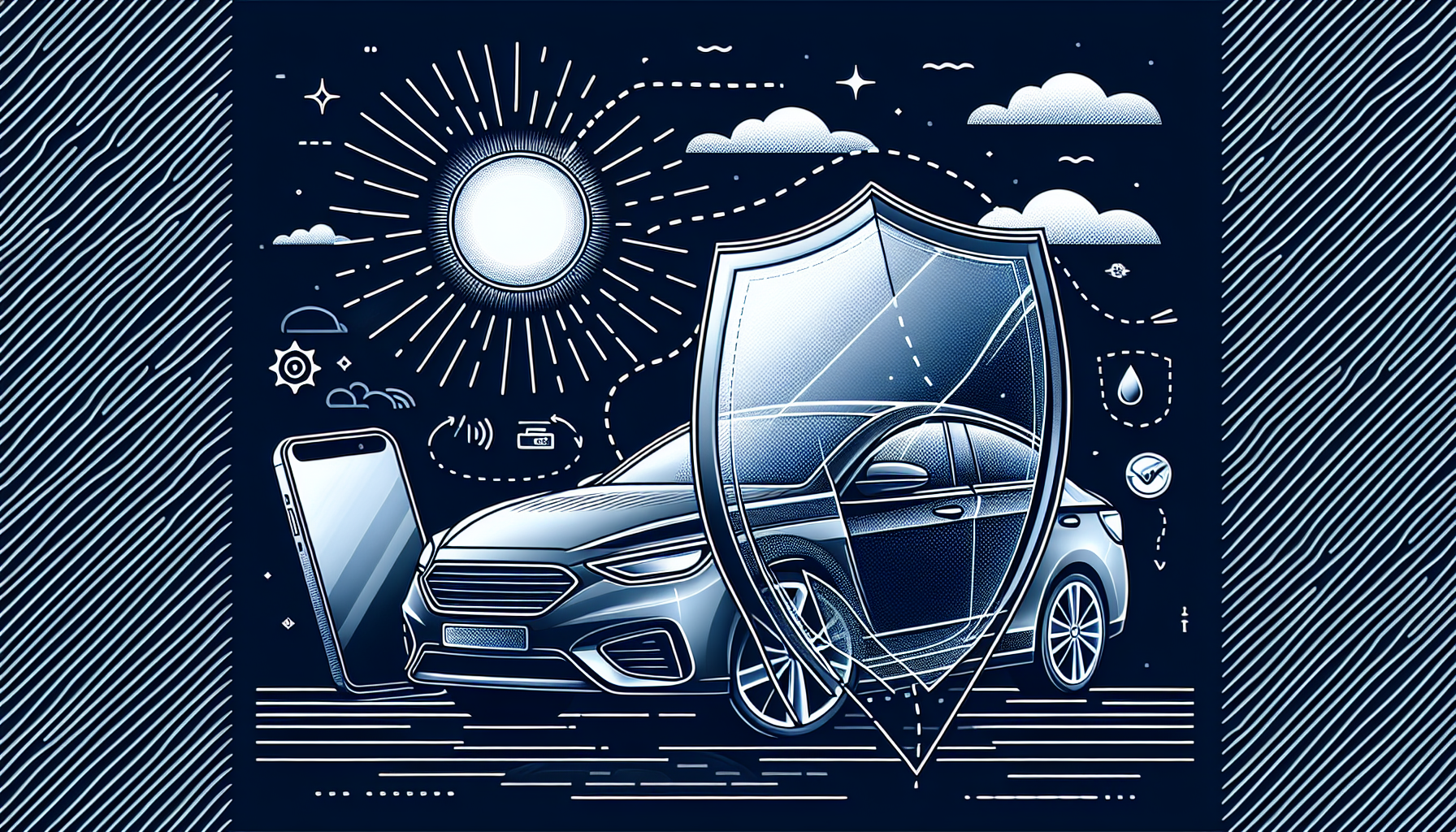
There are several features to consider when purchasing window tint. The ideal window tint should offer a combination of these top features:
Heat rejection
Durability
Compatibility with safety and technology
Let’s break down each of these features.
UV Protection and Heat Rejection
UV protection and heat rejection are two of the most important features of window tints. High-quality tints can block up to 99% of harmful UV rays, protecting car occupants and interiors. Specialized tints, like those made from ceramic and containing tiny ceramic particles, block and scatter infrared radiation, reducing solar heat by up to 80%.
In addition to heat and UV protection, window tints also help protect the vehicle’s interior from sun damage.
Durability and Warranty
When considering window tints, durability and warranty are crucial. High-quality tints are designed for durability, ensuring they maintain their performance properties over time. A solid warranty supports the durability claim of window tints and offers assurance of long-term protection against defects and performance degradation.
Compatibility with Safety and Technology
Modern window tints have evolved to be compatible with safety features and technology in vehicles. For instance, non-metallic tints allow GPS radio waves to penetrate easily, preventing interference with navigation systems. Bluetooth technology, which relies on radio waves, can operate smoothly with modern non-metallic tints, ensuring stable connectivity.
This compatibility with safety and technology makes modern window tints a smart choice for vehicles equipped with advanced technology.
Showcasing Recent Window Tint Projects
To give you a better idea of the transformation a window tint can bring to a vehicle, let’s take a look at some recent window tint projects. From before and after transformations to customer stories of satisfaction and improved performance, these showcases provide a glimpse into the power of window tinting.
Before and After: The Impact of Tint
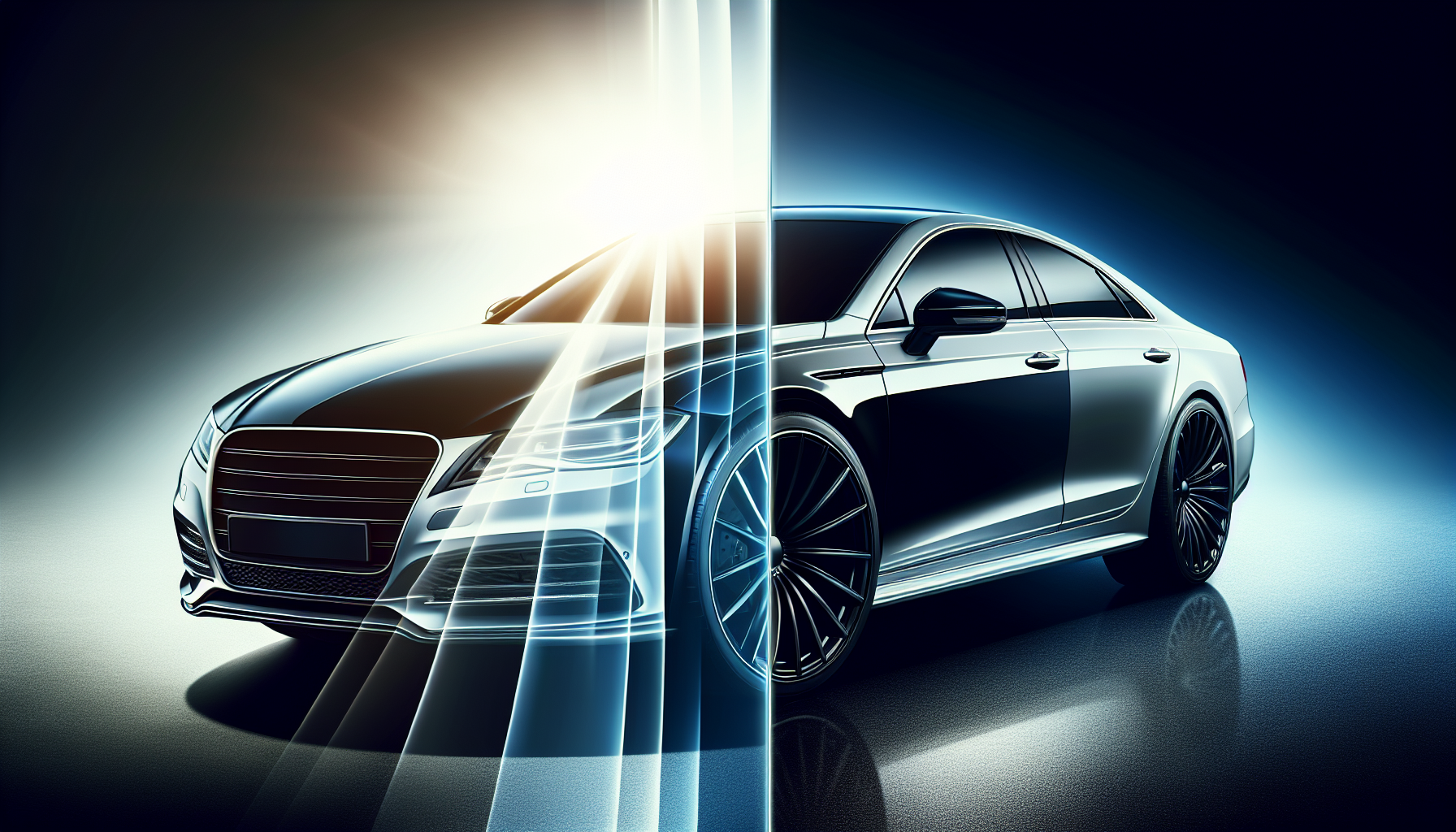
A picture speaks a thousand words, and nothing demonstrates the impact of window tinting better than before and after photos. Dark tints provide a significant aesthetic enhancement for various vehicle types. For instance, car models like the Mazda CX3 and BMW X6 have demonstrated a notable aesthetic change post-installation of 3M Ceramic window tints.
The after photos often depict a darker, non-reflective appearance, highlighting the sleek and refined aesthetic of tinted windows.
Customer Stories: Satisfaction and Performance
Customer stories provide firsthand insights into the benefits of window tinting. Many customers have reported significant satisfaction with 3M Ceramic Window Tint due to its up to 85% infrared radiation rejection capability. This high heat rejection rate ensures a much cooler car interior, even during hot weather, leading to more comfortable rides and happier customers.
Easy Maintenance Tips for Your Tinted Windows
Maintaining your tinted windows is crucial for ensuring their longevity and preserving their appearance. From cleaning do’s and don’ts to solving common issues, these easy maintenance tips will help you keep your tinted windows in top condition.
Cleaning Do’s and Don’ts
Cleaning your tinted windows properly is crucial to prevent damage. Use warm water and a mild detergent with a nonabrasive sponge or soft cloth. Avoid cleaning products that contain ammonia or alcohol, as these can cause discoloration and damage to the film coating.
For stubborn stains, carefully apply a stronger cleaning product after conducting a spot test to ensure it does not harm the window tint.
Common Issues and Quick Fixes
Even with proper cleaning, you may encounter some common issues. For persistent dirt that cannot be removed with a cloth, gently scrub with a soft-bristled brush or microfiber cloth in circular motions. If streaks occur, they may be the result of excessive cleaning solutions or improper washing techniques.
A final rinse with clean water can help achieve a streak-free finish.
Summary
To wrap it up, window tinting is a transformative solution for your vehicle. It not only enhances the aesthetics of your car but also brings a suite of benefits like heat and glare reduction, UV protection, increased privacy, and compatibility with safety features and technology. With proper installation and maintenance, your window tint can provide these benefits for many years to come. So, are you ready to transform your driving experience with window tinting?
Frequently Asked Questions
What is the main benefit of window tinting?
The main benefit of window tinting is that it reduces heat and glare, provides UV protection, increases privacy, and enhances vehicle aesthetics.
How does window tint work to reduce heat and glare?
Window tint reduces heat by lowering the Solar Heat Gain Coefficient (SHGC) and controls glare by managing Visible Light Transmission (VLT) levels. This helps in creating a more comfortable and manageable indoor environment.
What is Visible Light Transmission (VLT)?
Visible Light Transmission (VLT) is a measure of how much visible light passes through window tint, with lower percentages indicating darker tints and less light penetration.
What are the top features to look for in window tint?
When purchasing window tint, prioritize features such as UV protection, heat rejection, durability, and compatibility with safety features and technology to ensure long-lasting and effective tinting for your windows.
How do I properly clean my tinted windows?
To properly clean your tinted windows, use warm water and mild detergent with a nonabrasive sponge or soft cloth. Avoid cleaning products with ammonia or alcohol to prevent damage to the film coating.
perfect! Sources Say [Key Figure] to Make Statement on [Issue] 2025 charming
kind! AI-Powered Drones Used in Wildlife Conservation 2025 superior