
When you’re after durability and top-notch protection for your vehicle, the best car ceramic coating is what stands between your car’s paint and the barrage of environmental stressors. This guide cuts through the clutter to showcase the standout ceramic coatings of 2024 – rated for their longevity, ease of use, and protective prowess. No excess jargon, just the essentials to guide you to your optimal pick.
Key Takeaways
The top ceramic coatings of 2024 feature advanced chemical formulations providing enhanced durability, ease of application, and protection from scratches and environmental factors, with 3M 39901 and CarPro CQuartz UK 3.0 leading the market.
When selecting a ceramic coating, factors such as hardness rating (with 9H being preferable), brand reputation, protection level, ease of application, and cost must be considered to ensure successful application and expected vehicle protection.
Professional ceramic coating services offer meticulous application and long-lasting protection often exceeding three years, but DIY ceramic coating kits are an affordable alternative that can achieve professional-grade appearance with correct application and maintenance.
Top 5 Car Ceramic Coatings of 2024
The best ceramic coatings of 2024 are a blend of improved chemical formulations, promising enhanced durability and superior resistance against scratches. In fact, ceramic coating prevent scratches effectively, making them a popular choice for car owners. The 3M 39901 Ceramic Coating leads the pack with its affordability, ease of application, and exceptional protection. CarPro CQuartz UK 3.0 has garnered a high ranking for its robust paint protection and professional finish.
For DIY enthusiasts, the top three ceramic spray coatings are:
Turtle Wax Hybrid Solutions Ceramic Spray Coating – budget-friendly and easy to apply
Shine Armor Fortify Quick Coat – user-friendly application and three-in-one formula (waterless wash, coating, and shine)
GYEON quartz MOHS Ceramic Coating – unique Q2M Cure refreshes the coating after every wash, ensuring it lasts longer.
Factors to Consider When Choosing a Ceramic Coating
While shopping for the best ceramic coating, several factors demand your attention. For instance, a ceramic coating with a 9H hardness rating ensures the best long-term results due to enhanced durability. Another standout feature is the exceptional durability of 3M coating, which includes a lasting high-gloss finish and effectiveness against environmental contaminants and UV damage.
Moreover, when choosing a ceramic coating, there are several factors to consider:
Ease of application: The coating should be easy to apply for a successful application.
Protection level: Consider the level of protection the coating offers against environmental and UV damage.
Cost: While a higher cost often indicates better quality and durability, it’s important to find a coating that strikes a good balance between price and benefits.
Taking these factors into account will help you choose the right ceramic coating for your needs.
Brand Reputation and Customer Reviews
In addition to the product’s specifications, customer reviews and brand reputation play a critical role in the selection process. They serve as a valuable resource for gauging ceramic coatings’ effectiveness and overall quality. For example, the 3M Boost is often lauded for its shine and appearance, though opinions vary regarding its longevity.
Brands with a strong reputation, as indicated by high customer satisfaction and industry-tested performance, should be prioritized for their proven overall value. Some examples of such brands include:
CarPro UK’s ceramic coatings, which are endorsed by professionals for their durability
Gtechniq, which has a robust reputation in the industry
Modesta, which stands out for solid customer loyalty attributed to their consistent product quality
In-Depth Analysis: Top 5 Ceramic Coatings
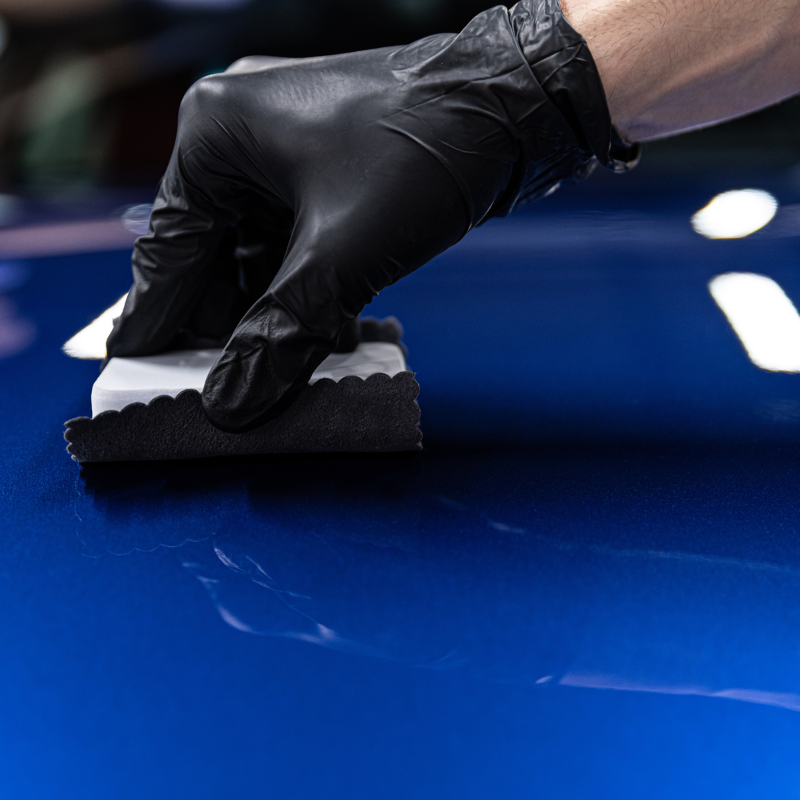
Diving deeper into the top 5 ceramic coatings, you’ll find that these products offer a unique blend of ingredients, including:
Silicon dioxide
Polysilazane
Triethanolamine
Water
These ingredients create a chemically bonding liquid polymer that provides a protective layer. Each product differs in its formulation and application process, thus creating a unique user experience.
For instance, kits like Adam’s Polishes’ Graphene Ceramic Coating Advanced include necessary application tools like gloves, towels, applicators, and surface-prep liquids, along with a Graphene Boost spray. However, some coatings like Weiruixin 10H Ceramic Coating 3.0 have drawbacks including a short product lifespan, low toughness, erosion from a small number of washes, and issues with false advertising.
It’s important to know that a ceramic coating requires a curing time that varies from 24 hours to a week before it becomes fully effective. While these coatings are hydrophobic and provide protection from minor scratches, they are not completely impervious to damage or rock chips.
Product 1: 3M Boost
3M Boost is a user-friendly ceramic coating that can be applied to a variety of surfaces including:
paint
glass
trim
wheels
plastics
This makes it a versatile choice. On trim, it delivers a perfect satin finish, enhancing protection and improving the vehicle’s aesthetic. 3M Boost maintains exceptional water beading and ease of cleaning, proving its durability even after several months.
It offers significant performance for its price point, making it an economical choice for both DIY enthusiasts and professional users.
Product 2: Shine Armor
Shine Armor Fortify Quick Coat stands out with its unique three-in-one formula. It serves as a waterless wash, coat, and shine for vehicles, providing a comprehensive solution for car care.
Customers report that Shine Armor’s ceramic coating is easy to apply and provides decent results with durability lasting around two months.
Product 3: Duraslic
Duraslic is a nano-ceramic coating designed for maximum protection and longevity. The coating boasts a 9H hardness which helps it resist scratches and swirl marks. Once applied, Duraslic provides protection for up to 5 years.
It is praised for its straightforward application process, which is approachable even for beginners. The high gloss finish of Duraslic is frequently highlighted as a significant benefit, giving cars a sleek, shiny appearance.
Product 5: 3M 39901 Ceramic Coating
3M 39901 Ceramic Coating is identified as one of the best in 2024’s Ultimate Guide to the Best Car Ceramic Coating Choices. It offers the best appearance and protection among the ceramic coatings listed in the guide. However, it is more expensive and requires a more tedious application process compared to other coatings.
DIY vs. Professional Application
Choosing between DIY and professional ceramic coating application involves considering factors like cost, time commitment, skill level, and the quality of the coating. Professional ceramic coatings are thicker, requiring more skill to apply properly and the service can cost between $1,000 and $2,000.
On the other hand, DIY ceramic coating can be cost-effective, ranging from $20 to $100 for a kit. However, it demands a significant time investment and thorough preparation, with some owners experiencing inadequate customer support and unclear instructions. While DIY kits are less finicky and cater well to the common car owner, those inexperienced with the application process may benefit from taking a class.
DIY Ceramic Coating Application
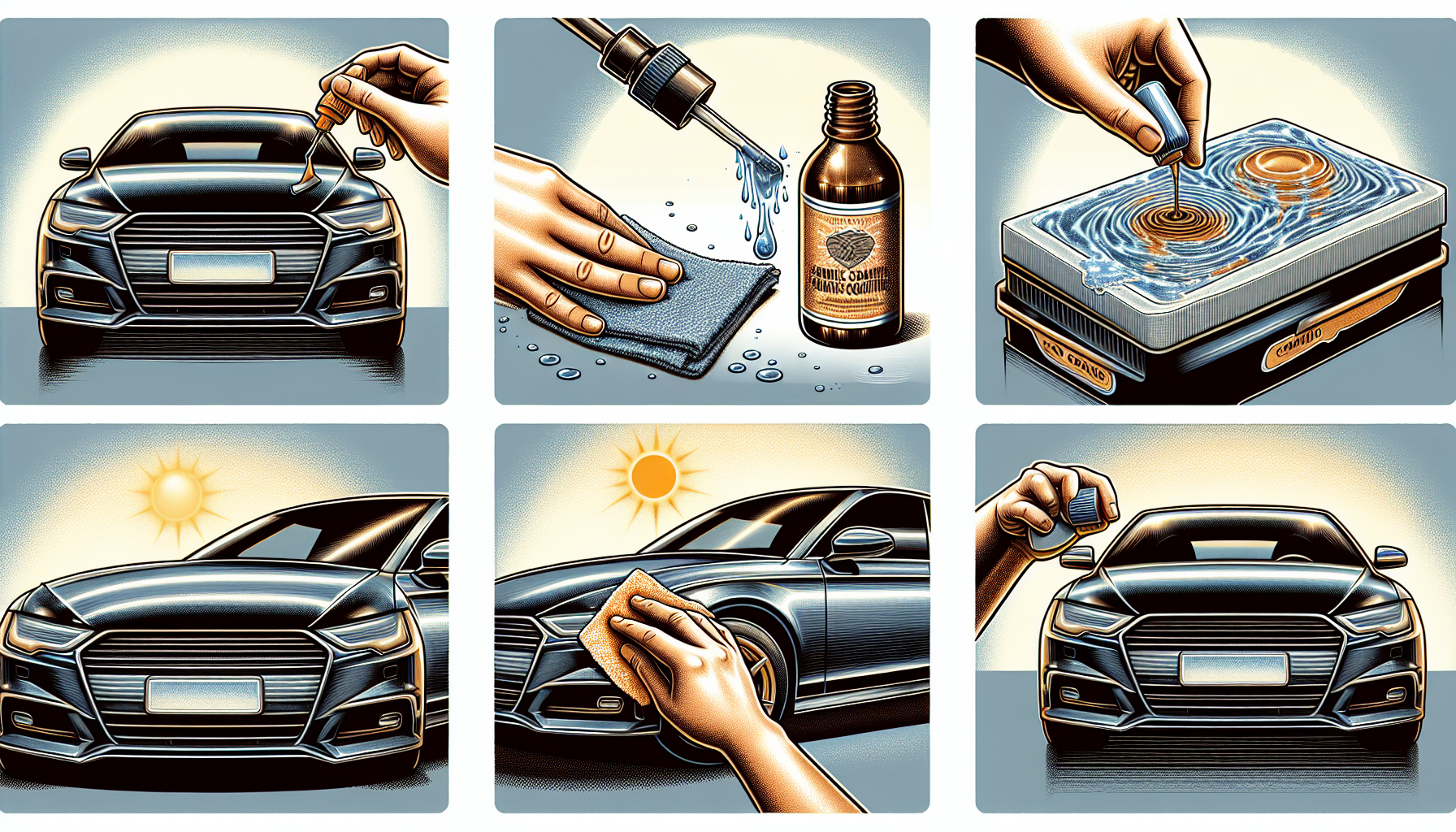
When it comes to a successful DIY ceramic coating application, a thorough exterior detailing is a crucial step before applying a ceramic coating. This includes using a clay bar or mitt to remove contaminants and correcting scratches and swirl marks with a polisher and compounds.
The ceramic coating should be applied in a controlled environment with temperatures between 65 and 75 degrees Fahrenheit to ensure that the applicator glides smoothly over the surface and a hazy ‘rainbow effect’ appears, indicating bonding and drying. As the ceramic coating cures, it provides a durable and long-lasting protective layer.
After application, the ceramic coating requires at least 48 hours to cure, during which it should be kept dry and away from the elements.
High-quality DIY ceramic coatings, such as ceramic coat in the form of highly concentrated coatings and hybrid ceramic sprays, provide an affordable alternative to professional jobs, achieving a professional-grade appearance with the use of a DIY ceramic coating kit and other ceramic coating products, including other ceramic coatings.
Professional Ceramic Coating Services
Professional ceramic coating services are a significant investment, with costs ranging from $500 to $3000. These costs are influenced by the vehicle’s size, paint color, and age, as well as the need for a controlled environment, specialized equipment, and skilled staff. The benefits of professional ceramic services include a higher level of detail and reliability, with a protective coating that can last for over three years, offering significant peace of mind to vehicle owners.
However, additional potential costs may arise from a full paint correction procedure if issues are discovered during the coating process. And although ceramic coatings are semi-permanent, they require professional abrasion for removal.
Caring for Your Ceramic Coated Vehicle
Just as you care for your car’s engine, regular cleaning and maintenance are essential to extend the life and preserve the protective and aesthetic qualities of a ceramic coating. Despite their hydrophobic properties, ceramic-coated cars still accumulate dirt and require regular washing.
Hence, it is recommended to use sheltered parking for ceramic-coated vehicles to protect them from excessive exposure to sun and environmental pollutants.
Washing Techniques and Products
When it comes to washing a ceramic-coated vehicle, specific techniques and products are recommended. Ceramic coatings create a chemically bonded hydrophobic layer on a car’s surface that repels water and contaminants, making the vehicle easier to clean and requiring less frequent washes. For the maintenance of ceramic coatings, the recommended washing technique is to hand wash using a pressure washer and a premium microfiber wash mitt with a car wash soap that contains high amounts of lubricating agents, which helps in minimizing scratching the coating.
Specific shampoos and washes are necessary for maintaining ceramic coatings as they are formulated to sustain the hydrophobic properties of the surface, ensuring the longevity of the protective layer.
Spot Treatment and Prevention
When it comes to spot treatment and prevention, it’s crucial to check the ceramic-coated surface for blemishes regularly and use detailing clay to remove any contaminants from the surface. Regular washing routines with suitable products prevent the build-up of damaging contaminants.
Moreover, using pH-neutral shampoos when washing the car can prevent stripping away the ceramic coating or causing spots from harsh chemicals. It’s also important to tend to hard water spots and bird droppings as soon as possible, as they can etch into the ceramic coating if left unattended.
Periodic Maintenance and Inspection
Periodic inspection of a ceramic coating helps to identify wear or damage, ensuring the coating continues to protect the vehicle effectively. Annual maintenance by professionals is crucial for maintaining the ceramic coating’s optimal performance.
Using a specialized ceramic car wash and wax product can also add additional ceramic polymers during the wash, thus preserving the longevity of the ceramic coating. Moreover, immediate removal of contaminants such as bird droppings, tree sap, and tar is essential to prevent potential damage to the ceramic coating.
Ceramic Coating vs. Other Protective Solutions

When it comes to protecting your vehicle’s exterior, ceramic coating isn’t the only option. Comparing ceramic coatings to other protective solutions like car wax and paint protection film (PPF) can help you make the best choice for your vehicle. Ceramic coatings offer significantly longer and more durable protection than traditional car wax, with lifespan ranging from six months to five years as opposed to wax which typically lasts between three to four months.
On the other hand, paint protection film (PPF) is a robust urethane material designed to protect car paint from various damages such as:
chips
scratches
swirl marks
chemical stains
oxidation caused by UV rays
PPF offers unique self-healing properties which allow it to return to its original state after being indented or abraded, a feature not found in ceramic coatings.
Although both PPF and ceramic coatings protect against UV damage and acidic contaminants, PPF is superior in absorbing impacts from small debris, which ceramic coatings cannot handle. However, to achieve comprehensive protection for a vehicle, the combination of PPF to protect highly vulnerable areas, together with a ceramic coating for enhanced overall surface protection and aesthetics, is recommended.
The Future of Ceramic Coatings
The future of ceramic coatings, including ceramic car coatings, looks bright, with promising advancements in technologies anticipated to offer more robust protection for vehicles. In addition, the ceramic coating protect aspect is seeing a shift towards more eco-friendly solutions, reducing the use of harmful chemicals.
For instance, brands like Modesta are emphasizing sustainability and environmental responsibility, making eco-friendly approaches a unique selling point in their ceramic coatings. Emerging advancements in ceramic coatings include the development of self-healing properties, which could significantly enhance the longevity and resilience of the coating. In the ever-evolving automotive care industry, brands like 3M are continually adapting and improving their formulas to cater to the evolving needs.
Summary
To summarize, ceramic coatings offer an excellent solution for those seeking enhanced durability, protection, and aesthetics for their vehicle. The top 5 ceramic coatings of 2024, namely 3M 39901 Ceramic Coating, CarPro CQuartz UK 3.0, Turtle Wax Hybrid Solutions Ceramic Spray Coating, Shine Armor Fortify Quick Coat, and GYEON quartz MOHS Ceramic Coating, offer unique features and benefits to cater to diverse needs.
Whether you opt for a DIY application or professional services depends on factors like cost, time commitment, and skill level. Regardless of the choice, maintaining your ceramic coated vehicle through regular cleaning, spot treatment, and periodic maintenance is crucial. As the future of ceramic coatings evolves, so will the opportunities for your vehicle’s protection and aesthetic enhancement.
Frequently Asked Questions
What is a ceramic coating?
A ceramic coating is a chemically bonding liquid polymer that provides a protective layer on your car’s surface, enhancing its durability, protection, and aesthetics. It is a popular choice for car owners looking to protect their vehicle’s exterior.
What factors should I consider when choosing a ceramic coating?
When choosing a ceramic coating, consider factors such as durability, ease of application, protection level, and the product’s price-to-benefit ratio. These will help you make an informed decision.
Can I apply ceramic coating myself?
Yes, you can apply a ceramic coating yourself, but keep in mind that it requires thorough preparation and a significant time investment.
How do I maintain my ceramic coated vehicle?
To maintain your ceramic coated vehicle, you should regularly clean it using specific washing techniques and products, perform spot treatment and prevention, and conduct periodic inspections. This will help preserve the coating’s effectiveness and longevity.
How does ceramic coating compare to other protective solutions like car wax and PPF?
Ceramic coatings offer longer and more durable protection compared to traditional car wax, but they cannot absorb impacts like PPF. Combining PPF with a ceramic coating can provide comprehensive protection for your vehicle.
When you say, “Combining PPF with a ceramic coating can provide comprehensive protection for your vehicle.”, do you mean that applying a ceramic coating directly over a PPF is recommended? Or each applied to a separate area depending on vulnerability?
That is correct. Some PPF films do come with a hydrophobic already. but most do not. A ceramic coating on top of the film (can also be done with vinyl wrap) can prevent staining, prevent dust/dirt from adhering, reduce water spots and make the surface easier to clean and maintain.
How about nasiol zr53 and Nl272 ceramic coating. I have been told several times they are amazing. never tried yet. any hands on comments. will appreciate if you can share some experience?